
Introduction
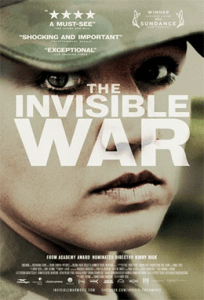
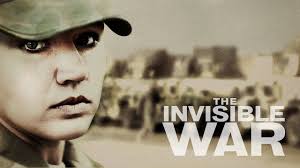
The Invisible War is a 2012 documentary film written and directed by Kirby Dick and produced by Amy Ziering and Tanner King Barklow about sexual assault in the United States military.
It premiered at the 2012 Sundance Film Festival, where it received the US Documentary Audience Award.
The film has been lauded by advocates, lawmakers, and journalists for its influence on government policies to reduce the prevalence of rape in the armed forces.
Outline (Background)
In 2010, 108,121 veterans screened positive for military sexual trauma, and 68,379 had at least one Veterans Health Administration outpatient visit for related conditions. Also in 2010, The Department of Defence processed reports of 3,198 new assaults but estimated the actual number of assaults to be closer to 19,000. However, these reports resulted in convictions against only 244 perpetrators.
Outline (Documentary)
The Invisible War features interviews with veterans from multiple branches of the United States Armed Forces who recount the events surrounding their assaults. Their stories show many common themes, such as the lack of recourse to an impartial justice system, reprisals against survivors instead of against perpetrators, the absence of adequate emotional and physical care for survivors, the unhindered advancement of perpetrators’ careers, and the forced expulsion of survivors from service.
Interspersed with these first person testimonies are interviews with advocates, journalists, mental health professionals, active duty and retired generals, Department of Defence officials, and members of the military justice system. The film also includes footage, often shot by the veterans themselves, which documents their lives and continuing struggles in the aftermath of their assaults.
In the film’s most prominent narrative, Coast Guard veteran Seaman Kori Cioca struggles to earn benefits from the Department of Veterans Affairs to pay for the many medical difficulties that have resulted from her rape. With the help of attorney Susan L. Burke, Cioca, along with other survivors featured in the film, brings Cioca v. Rumsfeld, a civil suit against the Department of Defence alleging a failure to adequately address sexual assault within the military.
Other past incidents of sexual abuse recounted in the film include the 1991 Navy Tailhook scandal, the 1996 Army Aberdeen scandal, and the 2003 Air Force Academy scandal. The Invisible War uses these examples to argue that the military has consistently made empty promises to address its high rate of sexual assault. These stories culminate with an examination of the previously unreported culture of sexual harassment and sexual assault at the prestigious Marine Barracks Washington.
The survivors and advocates featured in the film call for changes to the way the military handles sexual assault, such as shifting prosecution away from unit commanders, who often are either friends with assailants or are assailants themselves.
Trivia
- The Invisible War is the recipient of a Peabody Award and Emmy Awards for Best Documentary Feature and Outstanding Investigative Journalism.
- It was nominated for Best Documentary Feature at the 85th Academy Awards.
Production & Filming Details
- Director(s): Kirby Dick.
- Producer(s): Amy Ziering and Tanner King Barklow.
- Writer(s): Kirby Dick.
- Cinematography: Thaddeus Wadleigh and Kirsten Johnson.
- Editor(s): Douglas Blush and Derek Boonstra.
- Production: Chain Camera Pictures.
- Distributor(s): Cinedigm and Docurama Films.
- Release Date: 20 January 2012 (Sundance Film Festival).
- Running Time: 97 minutes.
- Country: US.
- Language: English.


 Military Gogglebox
Leave a comment