
Introduction
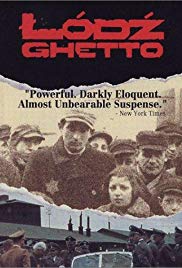
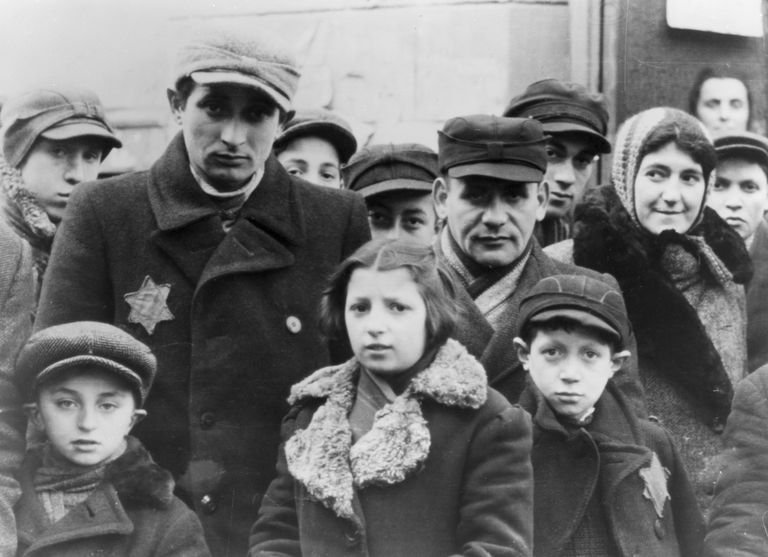
The Polish city of Lodz was under Nazi occupation for nearly the entire duration of WWII. The segregation of the Jewish population into the ghetto, and the subsequent horrors of the occupation are vividly chronicled through newsreels and photographs. The narration is taken almost entirely from journals and diaries of those who lived–and died–through the course of the occupation, with the number of different narrators diminishing over the course of the film, symbolic of the death of each narrator.
Outline
The Łódź Ghetto or Litzmannstadt Ghetto (after the Nazi German name for Łódź) was a Nazi ghetto established by the German authorities for Polish Jews and Roma following the Invasion of Poland. It was the second-largest ghetto in all of German-occupied Europe after the Warsaw Ghetto. Situated in the city of Łódź, and originally intended as a preliminary step upon a more extensive plan of creating the Judenfrei province of Warthegau, the ghetto was transformed into a major industrial centre, manufacturing war supplies for Nazi Germany and especially for the Wehrmacht. The number of people incarcerated in it was increased further by the Jews deported from the Third Reich territories.
On 30 April 1940, when the gates closed on the ghetto, it housed 163,777 residents. Because of its remarkable productivity, the ghetto managed to survive until August 1944. In the first two years, it absorbed almost 20,000 Jews from liquidated ghettos in nearby Polish towns and villages, as well as 20,000 more from the rest of German-occupied Europe. After the wave of deportations to Chełmno death camp beginning in early 1942, and in spite of a stark reversal of fortune, the Germans persisted in eradicating the ghetto: they transported the remaining population to Auschwitz and Chełmno extermination camps, where most were murdered upon arrival. It was the last ghetto in occupied Poland to be liquidated. A total of 210,000 Jews passed through it; but only 877 remained hidden when the Soviets arrived. About 10,000 Jewish residents of Łódź, who used to live there before the invasion of Poland, survived the Holocaust elsewhere.
Production & Filming Details
- Director: Alan Adelson and Kate Taverna.
- Producer: Stephen Samuels.
- Music: Wendy Blackstone.
- Cinematography: Jozef Piwkowski and Eugene Squires.
- Editor: Kate Taverna.
- Release Date: 1988 (Chicago International Film Festival) and 16 February 1989 (Berlin International Film Festival).
- Running Time: 103 minutes.
- Country: USA.
- Language: English.
YouTube Link
Contains graphic content.


 Military Gogglebox
Leave a comment