
Introduction
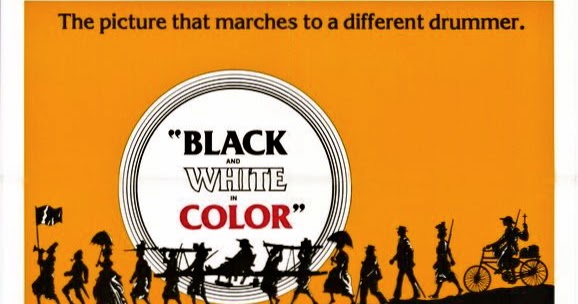
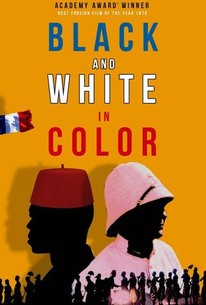
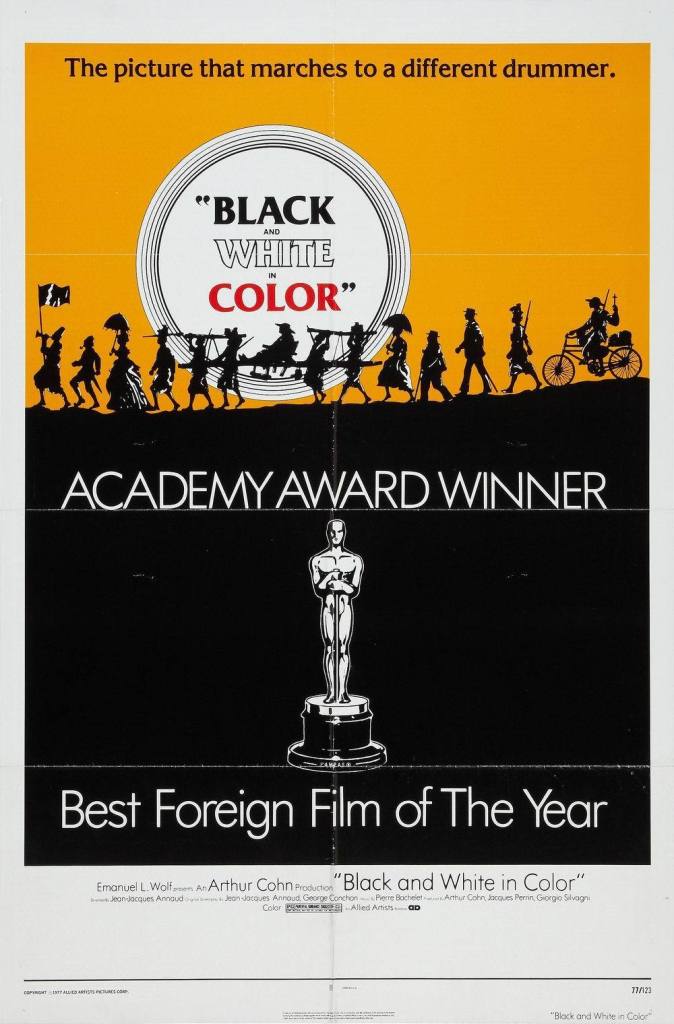
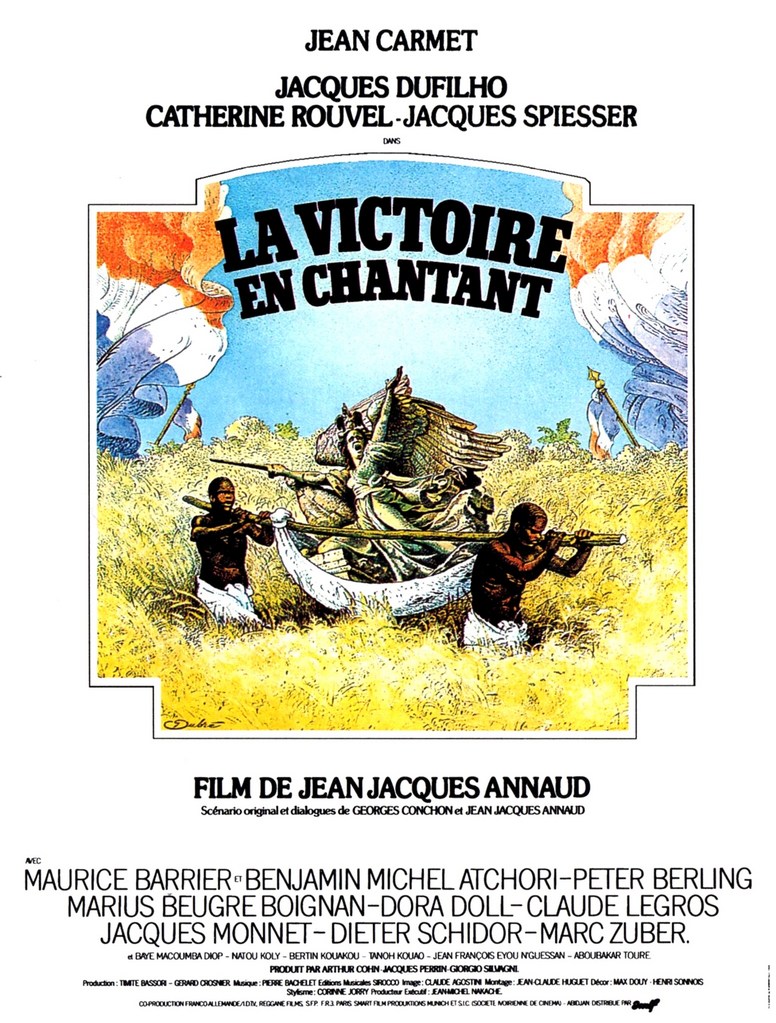
Black and White in Color (French: La Victoire en chantant, then Noirs et Blancs en couleur for the 1977 re-issue) is a 1976 French-Ivorian black comedy war film directed by Jean-Jacques Annaud in his directorial debut.
The film is set in the African theatre of World War I, during the French invasion of the German colony of Kamerun. The film adopts a strong antimilitaristic point of view, and is noteworthy for ridiculing the French side even more harshly than their German counterparts.

Outline
The film opens in 1915 in a remote French outpost located in the African colony of Cameroon. The French colonists, consisting of a small group of settlers, have been living a tranquil and isolated life, completely oblivious to the raging World War I happening far away in Europe. Their main preoccupation is maintaining a comfortable and leisurely existence.
One day, a French soldier named Gabriel Fouquet (played by Jean Carmet) arrives at the outpost, bringing the news of the war. The colonists, including the plantation owner De Sorgue (played by Jean Dufilho), his wife Lucie (played by Catherine Rouvel), and other colourful characters, are initially dismissive of the news, believing it to be irrelevant to their lives.
However, as the reality of the war begins to sink in, the French colonists decide to take action against the Germans, who are the colonial rulers in neighbouring Togoland. They view it as an opportunity to demonstrate their patriotism and loyalty to France. The colonists gather their resources and organize a comical and misadventurous campaign against the Germans.
Led by De Sorgue and Sergeant Bosselet (played by Jacques Spiesser), the motley crew of colonists embarks on a journey through the African wilderness, encountering various obstacles and challenges along the way. They face not only the harsh conditions of the environment but also cultural clashes and misunderstandings as they interact with African tribes.
Despite their bumbling and amateurish attempts at war, the French colonists manage to cause some disruption to the Germans, leading to a series of humorous and unexpected situations. The film uses satire and irony to underscore the futility and absurdity of war and colonialism.
As the story unfolds, the colonists gradually come to realise the true nature of war and the complexities of the colonial system. The film juxtaposes the innocence and naivety of the colonists with the harsh realities of the conflict, challenging their romanticised notions of heroism and patriotism.
Cast
- Jean Carmet as Sergeant Bosselet
- Jacques Dufilho as Paul Rechampot
- Catherine Rouvel as Marinette
- Jacques Spiesser as Hubert Fresnoy
- Maurice Barrier as Caprice
- Peter Berling as Father Jean de la Croix
- Dora Doll as Maryvonne
- Dieter Schidor as Hauptmann Kraft
- Marc Zuber as Indian Major
Trivia
- The original French title is the first four words (the first line) of the song Le Chant du départ, a French military song.
- It won the 1976 Academy Award for Best Foreign Language Film; it was submitted to the Académie de Côte d’Ivoire, resulting in that country’s sole Oscar.
- Jean-Jacques Annaud, in an interview included as an extra in the DVD, explains how he got the idea a few years before.
- He was working in Cameroun as part of his French national service.
- He read in an history of the country about the battle of Mora in the northern part of the country and from there grew the story that became the film.
Production & Filming Details
- Director(s):
- Jean-Jacques Annaud
- Producer(s):
- Arthur Cohn … producer
- Jacques Perrin … producer
- Giorgio Silvagni … producer
- Writer(s):
- Georges Conchon … (original screenplay) and
- Jean-Jacques Annaud … (original screenplay)
- Music:
- Pierre Bachelet
- Cinematography:
- Claude Agostini
- Editor(s):
- Françoise Bonnot
- Production:
- Artco-Film
- France 3 Cinéma
- Reggane Films
- Smart Film Produktion
- Société Française de Production (SFP)
- Société Ivoirienne de Cinema
- Distributor(s):
- AMLF
- (France, 1976)(theatrical)
- Release Date: 22 September 1976 (France).
- Running Time: 90 minutes.
- Rating: PG.
- Country: France.
- Language: French.


 Military Gogglebox
Leave a comment